
Contact Us
 Subscribe to this blog via RSS
 Join us on LinkedIn
Archives
Categories
- Attorney Client Privilege
- Electronic Health Records (“EHR")
- Health Insurance Portability and Accountability Act of 1996 (HIPAA)
- Data Privacy
- Kentucky Consumer Data Protection Act
- Government shutdown
- Federal Communications Commission
- FTC
- AI
- Freedom of Speech
- Social Media Policies
- U.S. Supreme Court
- Social Media
- Copyright License
- Collegiate Athletics
- e-commerce
- Online Privacy
- Streaming
- Contract
- Name, Image, and Likeness
- Publicity Rights
- Trade Secrets
- Trademark
- Audit
- Closely Held Businesses
- Copyright
- Employment Law
- Independent Contractors
- Intellectual Property
- Work for Hire
Protecting Performers When Government Pressure Mounts
Late-night television experienced a renaissance on Tuesday, September 23, when over six million people tuned in to watch what late-night host Jimmy Kimmel would say after being abruptly removed from the airwaves by the ABC network, a subsidiary of Disney, a week earlier.
Kimmel’s comments on the show a week earlier about Charlie Kirk’s assassination drew the ire of many conservatives and prompted two companies that own network affiliates to suggest they were going to preempt his future shows. Muddying the waters, however, the decision to pull Kimmel from the airwaves followed comments by the chair of the Federal Communications Commission, which suggested Disney might face regulatory action from the FCC if he wasn’t pulled.
Every American raised on the sanctity of our First Amendment rights likely asked the following questions: Can the government do that? Can Disney do that? What about the companies that own ABC affiliates in places like Washington, D.C., which elected to run other programming rather than Kimmel’s show? Do they or their viewers have rights impacted by this government action? And what is this thing I’m reading about called “jawboning?” What is that? 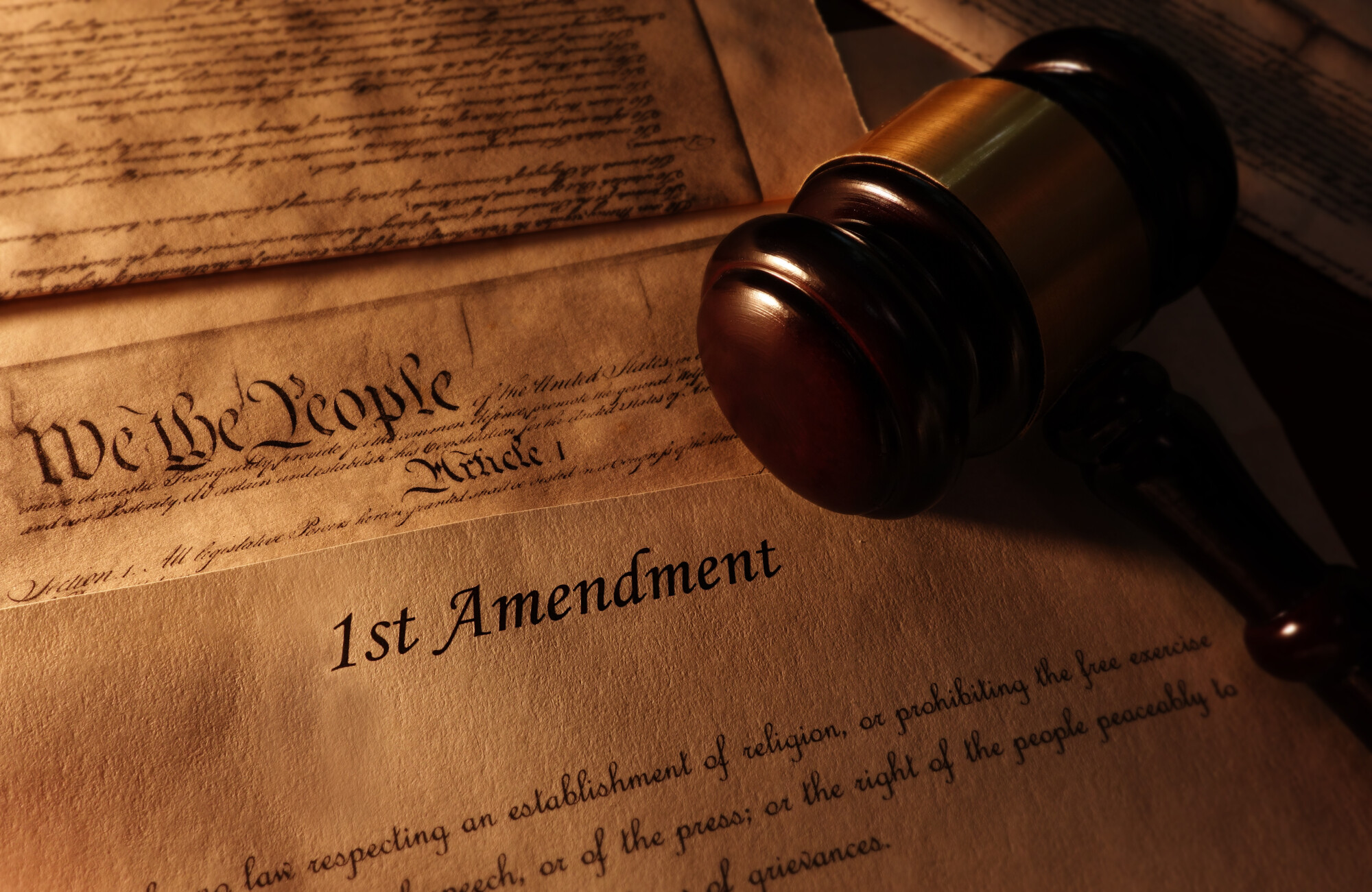
The Supreme Court has addressed some of these very issues recently, and they provide guidance for how one might think about this—from the perspective of a network, a content creator, and a government official.
Pressures to Suppress Speech
Yes, we Americans do still enjoy the freedom of speech enshrined in the First Amendment, and the Supreme Court has yet to water that freedom down in any significant way. Generally speaking, and with some well-established exceptions related to physical harm and other criminal conduct, we have a right to say what we want without threat of government action. However, First Amendment rights do not trump an employer’s right to terminate someone for exercising that right in a way that reflects poorly on the employer or is seen as reflecting poor judgment. Further, government actors also have First Amendment rights, and they are free to express their adverse opinions to you and even attempt to persuade others to agree with their position.
That right of government actors to persuade has limits, however. Government actors threatening punishment to those who do not adopt the perspectives of government actors is commonly called “jawboning.” Jawboning is a violation of the First Amendment, and last year, the Supreme Court provided guidance on where jawboning exists and is actionable by those content creators, media platforms, and even audience members impacted by government pressure to suppress speech.
Recent Decisions on Government Jawboning and Rights to Sue
The National Rifle Association v. Vullo involved a case where the superintendent of New York’s insurance regulatory body suggested to an insurer that it could avoid regulatory infractions if it dissociated from all gun groups. A unanimous Court ruled that such government threats constituted direct violations of the NRA’s protected First Amendment speech—gun advocacy. Justice Sotomayor wrote that government actors have the same First Amendment speech protections as private citizens—such as the NRA and its members and officers—but those government actors must rely on the strength of their opinions and beliefs, not threats of harm, to persuade others to adopt their opinions and beliefs. A government actor cannot, on the other hand, “use the power of the State to punish or suppress disfavored expression.” Justice Sotomayor’s unanimous opinionalso explicitly told parties what they must show to win a case against a government actor for jawboning: “a plaintiff must plausibly allege conduct (by the government or government actor) that, viewed in context, could be reasonably understood to convey a threat of adverse government action in order to punish or suppress the plaintiff’s speech.” One month after Vullo, the Supreme Court issued another decision that reminded the public that not all government “jawboning” is actionable by private citizens. Murthy v. Missouri involved claims brought by states and citizens who alleged the government improperly pressured social media platforms to remove certain social media content that the government found to be false or misleading. The plaintiffs argued that their speech rights to post the content could be suppressed, along with their “right to listen” to others whose speech faced removal in response to government pressures. They asked the courts to enjoin the government from forcing social media companies to stop removing certain content. In a divided 6-3 decision, the Supreme Court ruled against the citizens and states, finding that they could point to no imminent future harm that was traceable to the alleged government jawboning. Related to the facts of Murthy and the plaintiff’s need to clear certain hurdles to enjoin government action, Justice Barrett wrote “the plaintiffs must show a substantial risk that, in the near future, at least one platform will restrict the speech of at least one plaintiff in response to the actions of at least one Government defendant.” Six justices found the plaintiffs could not clear that hurdle. Justice Alito described the case as “one of the most important free speech cases to reach [the Supreme Court] in years in his dissent, which criticized the high hurdle the majority placed in front of potential plaintiffs attempting to stop government jawboning of social media users’ expression.
Importantly, Justice Alito’s dissent—joined by fellow conservatives Justices Thomas and Gorsuch—related to conservatives attempting to sue the Biden administration for its alleged jawboning of social media companies. Time will tell if they or the justices in the majority would reach a similar conclusion involving jawboning by the Trump or a future Republican administration.
So Kimmel would have won his lawsuit against the government, right?
Maybe. Jimmy Kimmel is on the air for the time being, but had he been permanently removed by Disney following the FCC chairman’s threat to the company, the Vullo decision certainly provides a promising path for Kimmel to have filed suit against the government. Kimmel very well could point to the statements by the FCC chairman in his government capacity, combined with his removal from the airwaves (had it continued indefinitely) by the ABC platform, and drawn the connection to bring a legitimate First Amendment claim. After all, it is hard to understand the chairman’s words as anything other than his effort to “coerce [ABC] to punish or suppress disfavored speech [by Kimmel].”
At the same time, Disney made a decision to remove Kimmel from the airwaves after two major distributors chose to discontinue airing his show, possibly independent of the FCC chairman’s comments. Were Kimmel to file suit to force the government to stop jawboning, he might not be able to satisfy the standard in Murthy because he might not be able to trace his termination to the government’s efforts to suppress his speech.
What networks, digital platforms, and content creators need to know.
No matter your political views, your First Amendment rights are alive and well, but your political views are not legally more important than the political views of others. Content creators can be terminated by their employers if their employers have different views or simply don’t agree with the judgment used in expressing those views. Government actors can disagree with your views and even express their disagreement. But where government actors threaten adverse government action related to your free expression, your rights may have been violated, and you may have a remedy available to you.
If you have questions or need assistance on these matters related to First Amendment protections, media law, and employment law, McBrayer can help you navigate these challenging issues.
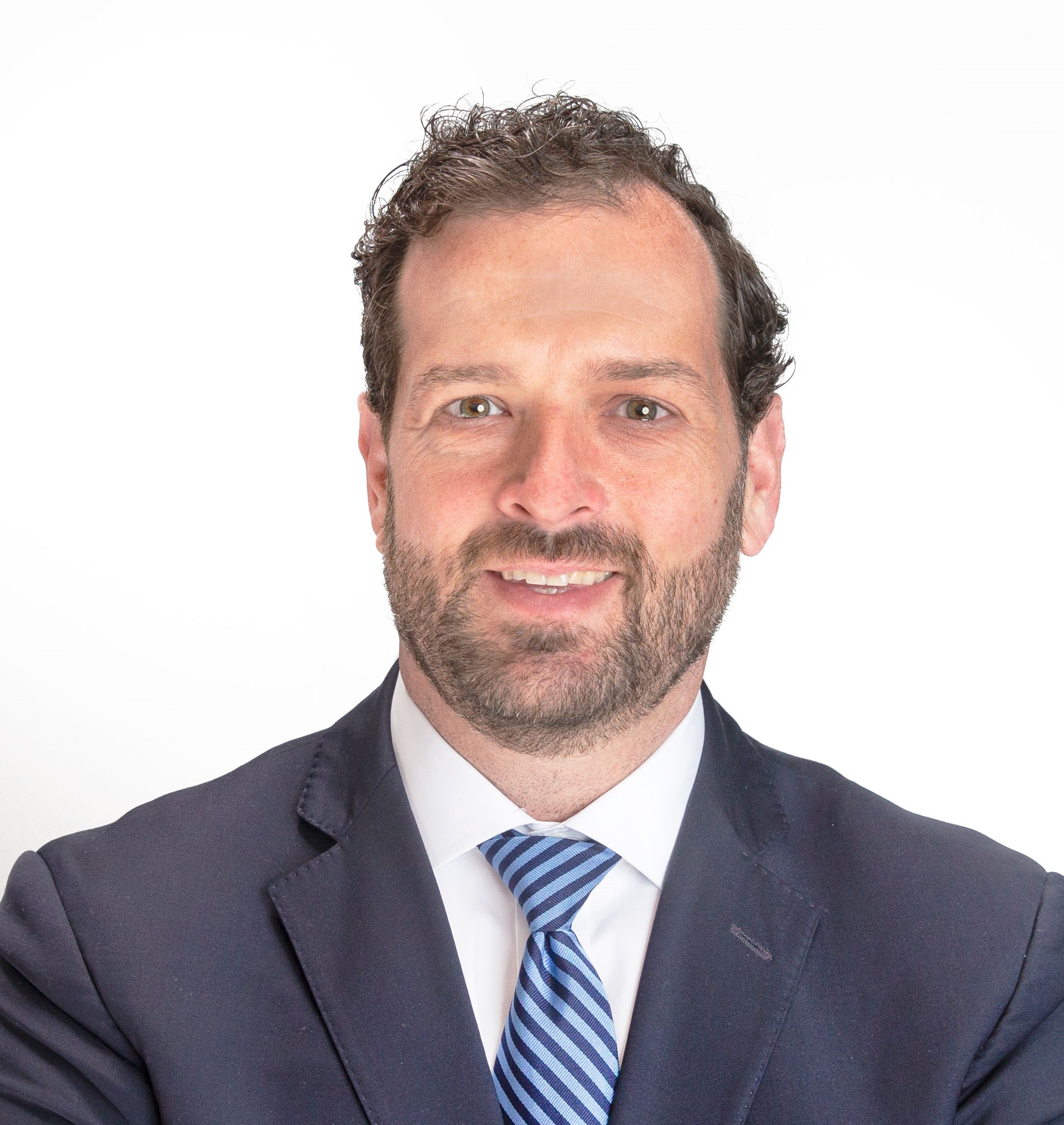 Bruce Paul is a Member of McBrayer PLLC, practicing in the firm's Louisville office. His law practice primarily focuses on intellectual property, copyright law, trademarks, commercial and business litigation, employment law, and infringement litigation. Mr. Paul can be reached at bpaul@mcbrayerfirm.com or (502) 783-6245.
Services may be performed by others. This article does not constitute legal advice.
