
Contact Us
 Subscribe to this blog via RSS
 Join us on LinkedIn
Archives
Categories
- Name, Image, and Likeness
- NIL
- Digital Millennium Copyright Act
- Craft Distilleries
- Distilleries
- Attorney Client Privilege
- Electronic Health Records (“EHR")
- Health Insurance Portability and Accountability Act of 1996 (HIPAA)
- Data Privacy
- Federal Communications Commission
- FTC
- AI
- Social Media Policies
- U.S. Supreme Court
- Social Media
- Online Privacy
- Contract
- Publicity Rights
- Trade Secrets
- Trademark
- Closely Held Businesses
- Copyright
- Employment Law
- Independent Contractors
- Intellectual Property
- Work for Hire
Showing 5 posts tagged U.S. Patent and Trademark Office.
How Athletes Can Protect Their NIL Online
A Practical Guide to Monitoring, Enforcement, and Brand Protection
For today’s athletes, visibility is both an opportunity and a risk. The same platforms that help build a personal brand also make it easy for others to misuse an athlete’s name, image, or likeness for their own gain. Many student‑athletes experience this when they stumble across a fake merch page, an impersonation account, or a video ad using their image without permission.
To respond effectively and quickly athletes need a structured notice‑and‑takedown strategy. Before diving into enforcement, it’s helpful to understand what NIL actually is and why the law treats it differently from other forms of intellectual property. More >
SCOTUS: You Can't Register Someone Else's Name as a Trademark, Especially Not TRUMP TOO SMALL
The Supreme Court made it clear, regardless of any intended message, the First Amendment does not permit anyone to register someone else’s name as part of a trademark. The Lanham Act, the law which governs federal registration of trademarks, (“the Act”), prohibits registration of trademarks containing the names of living individuals without their consent. In the case of Vidal v. Elster, the Court held that such a restriction is not a violation of the First Amendment. More >
“X” Marks the Spot Where Twitter Once Stood – A Lesson in Trademark Searching and Rebranding
In early August, the nearly half a billion users of Twitter looked at their phones and found something perplexing—the instantly-recognizable blue icon with the white silhouette of a bird had vanished, and in its place a black square with a white “X” had appeared. CEO Elon Musk had decided to rebrand Twitter as “X”—but did he think through all the trademark ramifications of this choice before implementing it? More >
Miami Dance Club Hopes New Golf Tour’s Name Will Be Short-LIVed
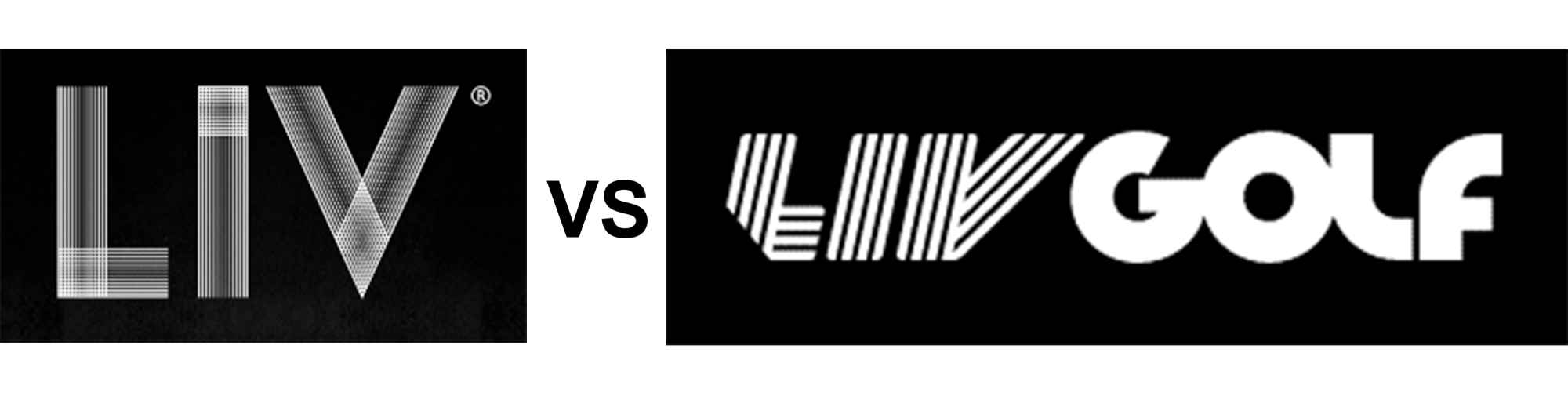
Over the past few weeks we have been watching CBS’s celebration of college basketball and, during commercial breaks, hearing those familiar musical notes that signal The Masters golf tournament has arrived. So, what better time than now to celebrate Passover, Easter, world class golf, and, naturally, a good trademark dispute.
More >
Supreme Court Holds under First Amendment that Offensive, Disparaging Words Can Be Granted Trademark Protection
Lately there has been a growing tension between certain trademark applicants and a provision of the 1946 Lanham Act, which governs protection of trademarks. This clause gives the U.S. Patent and Trademark Office ( the “PTO”) the power to deny registration of any “immoral. . . scandalous” trademark, or one that may “disparage . . . or bring . . . into contempt or disrepute” any “persons, living or dead.” 15 U. S. C. §1052(a). For some time now, this issue has been in the spotlight with a lengthy legal dispute over whether the PTO must cancel the “Washington Redskins” trademarks registered to the National Football League team of that name, because the term “redskins” is disparaging of Native Americans. In the latest ruling, the PTO canceled the Redskins trademark registrations, and that ruling is currently on appeal. A recent decision by the Supreme Court, however, may change everything. More >
