Contact Us
 Subscribe to this blog via RSS
 Join us on LinkedIn
Archives
Categories
- Name, Image, and Likeness
- NIL
- Digital Millennium Copyright Act
- Craft Distilleries
- Distilleries
- Attorney Client Privilege
- Electronic Health Records (“EHR")
- Health Insurance Portability and Accountability Act of 1996 (HIPAA)
- Data Privacy
- Federal Communications Commission
- FTC
- AI
- Social Media Policies
- U.S. Supreme Court
- Social Media
- Online Privacy
- Contract
- Publicity Rights
- Trade Secrets
- Trademark
- Closely Held Businesses
- Copyright
- Employment Law
- Independent Contractors
- Intellectual Property
- Work for Hire
 Jack A. Wheat
Showing 4 posts by Jack A. Wheat.
Design That Deserves a Toast: How IP Law Influences Alcohol Branding
In January, there is an official celebration day known as National Beer Can Appreciation Day. That’s really a thing; it occurs once a year to celebrate January 24, 1935, the historic day when beer was first sold in cans.
So that momentous occasion is inspiring us in the Intellectual Property Services Group here at McBRAYER to explain the types of intellectual property protections available to protect the appearance of beer cans. More >
SCOTUS: You Can't Register Someone Else's Name as a Trademark, Especially Not TRUMP TOO SMALL
The Supreme Court made it clear, regardless of any intended message, the First Amendment does not permit anyone to register someone else’s name as part of a trademark. The Lanham Act, the law which governs federal registration of trademarks, (“the Act”), prohibits registration of trademarks containing the names of living individuals without their consent. In the case of Vidal v. Elster, the Court held that such a restriction is not a violation of the First Amendment. More >
McDonald's Learns a Trademark Truism: "Use It or Lose It"
A well-known truism of trademark law is that if the owner of a trademark is not making adequate ongoing use of that trademark, the owner of the mark is at risk of jeopardizing the continued right to enforce the trademark to prevent others from using the same or a similar mark in a related line of business.
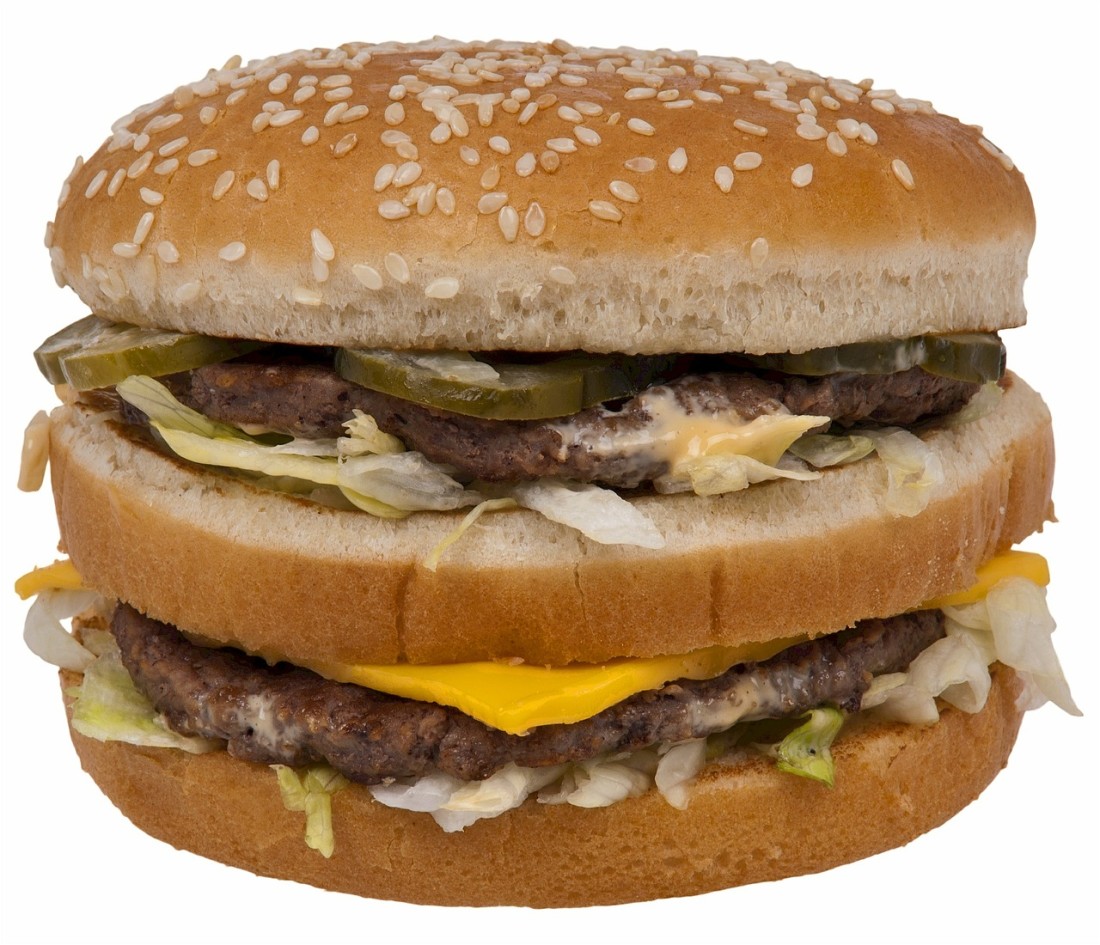 Apparently the McDonald’s restaurant chain just this week felt the pain of this rule, possibly losing the right to enforce the BIG MAC trademark anywhere throughout the European Union. More >
Supreme Court Holds under First Amendment that Offensive, Disparaging Words Can Be Granted Trademark Protection
Lately there has been a growing tension between certain trademark applicants and a provision of the 1946 Lanham Act, which governs protection of trademarks. This clause gives the U.S. Patent and Trademark Office ( the “PTO”) the power to deny registration of any “immoral. . . scandalous” trademark, or one that may “disparage . . . or bring . . . into contempt or disrepute” any “persons, living or dead.” 15 U. S. C. §1052(a). For some time now, this issue has been in the spotlight with a lengthy legal dispute over whether the PTO must cancel the “Washington Redskins” trademarks registered to the National Football League team of that name, because the term “redskins” is disparaging of Native Americans. In the latest ruling, the PTO canceled the Redskins trademark registrations, and that ruling is currently on appeal. A recent decision by the Supreme Court, however, may change everything. More >