Contact Us
 Subscribe to this blog via RSS
 Join us on LinkedIn
Categories
- SCOTUS
- Overtime
- Overtime Rule
- Federal Trade Commission
- FTC
- Service Animals
- Remote Work
- Occupational Safety and Health Administration (“OSHA”)
- Minors
- Work from Home
- Americans with Disabilities Act ("ADA")
- COVID-19
- Workplace health
- Intellectual Property
- Trade Secrets
- Worker Misclassification
- FMLA Retaliation
- Non-exempt employees
- Wage and Hour
- ADA Amendments Act of 2008 (“ADAAA”)
- Adverse Employment Action
- Civil Rights
- Compliance
- Department of Labor ("DOL")
- EEOC
- Employee Handbook
- Employee Misconduct
- Employment Law
- Fair Labor Standards Act (FLSA)
- Family and Medical Leave Act (“FMLA”)
- Independent Contractors
- National Labor Relations Act (NLRA)
- National Labor Relations Board (NLRB)
- Pregnancy Discrimination Act
- Social Media
- Social Media Policies
- Title VII of the 1964 Civil Rights Act
- U.S. Department of Labor
- U.S. Equal Employment Opportunity Commission (“EEOC”)
- Union
- Employer Group Health Plans
- HIPAA
- Telecommuting
- U.S. Supreme Court
- Employee Training
- Federal Department of Labor
- Kentucky Wage and Hour Act
- At-will employment
- Criminal Background Checks
- Employee Benefits
- Genetic Information Nondiscrimination Act ("GINA")
- Government employees
- Litigation
- Non-Compete Agreement
- Online Defamation
- Paid Time Off ("PTO")
- Payroll
- Pension Plans
- Reference checks
- Severance Pay
- Supervisor
- Tangible employment actions
- Title VII retaliation cases
- Employment Practices Liability Insurance
- OSHA
- Record Retention
- Workplace Politics
- Crisis Management
- Employment Discrimination Laws
- Hiring and Firing
- Kentucky Labor Cabinet
- Salary Threshold
- Unemployment Benefits
- Workplace Discrimination, Harassment and Retaliation
- Business Insurance
- Employee Contracts
- Internet & Media Law
- Uniformed Services Employment and Reemployment Rights Act
- USERRA
Showing 5 posts in Adverse Employment Action.
Pregnancy Discrimination Claims after Young v. UPS
It was a difficult delivery, but the Supreme Court in Young v. UPS[1] gave birth to a new test in determining whether an employer has violated the Pregnancy Discrimination Act (“PDA”)[2]. More >
Anxiety over Reasonable Accommodation under the ADA for Social Anxiety Disorder
Employers might be just a bit more anxious after learning that the Equal Employment Opportunities Commission (“EEOC”) defined the “ability to interact with others” as a major life activity, bringing social anxiety disorder into the scope of protection afforded by the Americans with Disabilities Act (“ADA”). The Fourth Circuit, in the case of Jacobs v. N.C. Administrative Office of the Courts,[1] recently agreed with the EEOC that social anxiety disorder may be a disability for ADA purposes. For practical purposes, however, the important takeaway in this case is that reasonable accommodation requests should never be taken lightly and all decisions that adversely affect employees should come with ample documentation. More >
E-Cigarettes and Workplace Smoking Policies: To Ban or Not to Ban, that is the Question
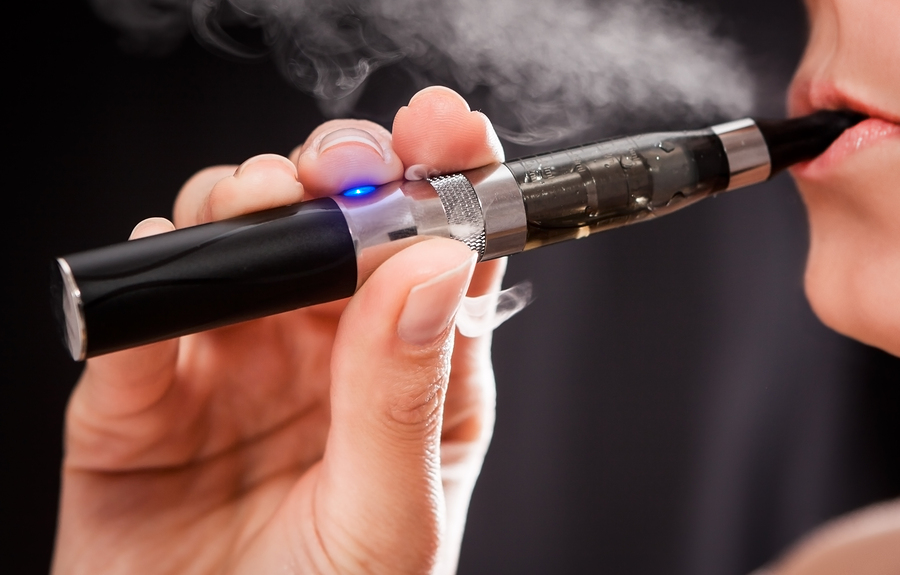 Smoking in the workplace is slowly becoming an antiquated notion. Federal and state laws ban smoking in some places, and an increasing patchwork of local ordinances decreases the availability of indoor and even outdoor smoking in some circumstances. Complicating matters, as it usually does, is the rise of new technology that straddles the line between permissible and impermissible conduct – the e-cigarette. The question employers now have to struggle with is whether these devices, which purport to alleviate the harmful effects of smoke on both the user and those inhaling second-hand, should fall under broad workplace bans on smoking. More >
Detecting FMLA Abuse
Dealing with employees who abuse FMLA can be difficult. Letting abuse run rampant, however, can impact business productivity and put a damper on company morale (as present employees often have to pick up the slack of someone on leave). Employers who detect abuse must proceed with caution because it is very easy to run afoul of regulations. More >
Curbing FMLA Abuse
The Family Medical Leave Act (“FMLA”) permits eligible employees to take up to 12 work weeks of leave during a 12-month period if a serious health condition makes the employee unable to perform the functions of his or her position. When an employer suspects that an employee is abusing the FMLA leave, employers may feel caught in a classic Catch-22. They can ignore the abuse and operate with a reduced workforce, or subject themselves to an interference or defamation suit if they decide to challenge or confront the employee about the questionable leave. More >