Contact Us
 Subscribe to this blog via RSS
 Join us on LinkedIn
Categories
- SCOTUS
- FTC
- Emotional Support Animals
- Service Animals
- Employee Agreement
- Remote Work
- Federal Trade Commission
- LGBTQ
- Minors
- United States Department of Justice ("DOJ")
- Work from Home
- Arbitration
- Workplace health
- Intellectual Property
- Trade Secrets
- Corporate
- Center for Disease Control
- Americans with Disabilities Act ("ADA")
- FFCRA
- Opioid Epidemic
- Occupational Safety and Health Administration (“OSHA”)
- COVID-19
- Families First Coronavirus Response Act
- H.R.6201
- Health Care Law
- IRS
- Paid Sick Leave
- Temporary Leave
- Treasury
- Coronavirus
- Worker Misclassification
- Labor Law
- Overtime
- Kentucky Unemployment Insurance Commission
- Sexual Harassment
- FMLA Retaliation
- Overtime Rule
- Employer Wellness Programs
- Employment Non-Discrimination Act ("ENDA")
- Genetic Information Nondiscrimination Act ("GINA")
- Independent Contractors
- Kentucky minimum wage
- Minimum wage
- Paid Time Off ("PTO")
- Sick Employees
- Wage and Hour
- ADA Amendments Act of 2008 (“ADAAA”)
- Department of Labor ("DOL")
- Employee Benefits
- Employee Handbook
- Employee Misconduct
- Employment Discrimination Laws
- ERISA
- Fair Labor Standards Act (FLSA)
- Family and Medical Leave Act (“FMLA”)
- Human Resource Department
- Kentucky Civil Rights Act (“KCRA”)
- National Labor Relations Act (NLRA)
- National Labor Relations Board (NLRB)
- OSHA
- Overtime Pay
- Pregnancy Discrimination Act
- Social Media
- Social Media Policies
- Title VII of the 1964 Civil Rights Act
- U.S. Department of Labor
- Union
- Young v. UPS
- Adverse Employment Action
- Amazon
- Americans with Disabilities Act
- Bring Your Own Device
- BYOD
- Civil Rights
- Compliance
- Department of Health and Human Services
- EEOC
- Employment Law
- Portal-to-Portal Act of 1947
- Security Checks
- Security Screening
- U.S. Equal Employment Opportunity Commission (“EEOC”)
- U.S. Supreme Court
- Uncategorized
- Volunteer
- Cloud
- Creech v. Brown
- EEOC v. Hill Country Farms
- Equal Employment Opportunity Commission v. Kaplan Higher Education Corp.
- Federal contractors
- Kentucky Labor Cabinet’s Occupational Safety and Health Program (KOSH)
- Lane v. Franks
- Micro-unit
- Non-exempt employees
- Specialty Healthcare & Rehabilitation Center of Mobile
- "Ban-the-box"
- 2013)
- Berrier v. Bizer
- Bullying
- Citizens United v. Federal Election Commission
- Compensatory time off
- Conestoga Woods Specialties v. Sebelius
- Consumer Credit Protection Act (“CCPA”)
- Crystalline Silica
- Davis-Bacon and Related Acts
- Drug-Free Workplaces
- Earnings
- Ehling v. Monmouth-Ocean Hospital Service Corp.
- Federal Stored Communications Act (“SCA”)
- Illness and Injury Reports
- Job applications
- Jury duty
- Kentucky Department of Workers’ Claims
- Kentucky Wage and Hour Act
- Maternity Leave
- McNamara O’Hara Service Contract Act
- Mine Safety and Health Administration ("MSHA")
- NFL Bullying Scandal
- Northwestern
- Payroll
- Permissible Exposure Level ("PEL")
- Sebelius v. Hobby Lobby Stores
- Senate Bill 157
- Shazor v. Prof’l Transit Mgmt.
- Violence
- Wage garnishment
- Web Content Accessibility Guidelines
- Whistleblower
- WorkSmart Kentucky
- At-will employment
- Chapter 11 Bankruptcy
- Chenzira v. Cincinnati Children’s Hospital Medical Center
- COBRA
- Companionship services
- Defamation
- Defense of Marriage Act (“DOMA”)
- EEOC v. Fabricut
- EEOC v. The Founders Pavilion
- Employee Forms
- Employee Hazards
- Employee of the Month Programs
- Employee Training
- Employer Group Health Plans
- Employer Mandate
- Employment Practices Liability Insurance
- Endorsements
- Federal Workplace Agencies
- FICA
- Form I-9
- Freedom of Speech
- Gatto v. United Airlines and allied Aviation Services
- Giant Food LLC
- Government employees
- Government shutdown
- Health-Contingent Wellness Programs
- HIPAA
- Home Health Care Workers
- KYSHRM 2013
- Litigation
- Madry v. Gibraltar National Corporation
- Mandatory vaccination policies
- Medical Exams
- Megivern v. Glacier Hills Incorporated
- Motivating Factor
- Obesity
- Online Account Protection
- Online Defamation
- Participatory Wellness Programs
- Pennington v. Wagner’s Pharmacy
- Pension Plans
- Play or Pay
- Private employers
- Record Retention
- Reference checks
- Sequester
- Severance Pay
- SHRM
- Small Business Administration (SBA)
- Social Media Ownership
- Supervisor
- Supplemental Unemployment Compensation Benefits
- Tangible employment actions
- Tax Refund
- Title VII retaliation cases
- Troyer v. T.John.E Productions
- U.S. Citizenship and Immigration Services
- Unfair Labor Practice
- United States v. Quality Stores
- United States v. Windsor
- University of Texas Southwestern Medical Center v. Nassar
- Vance v. Ball State University
- Contraceptive Mandate
- Crisis Management
- Employee Arrests
- Employee photographs
- House Labor and Industry Committee
- Job Description
- Job Requirement
- Kentucky’s Whistleblower Act
- KRS 391.170
- Labor and Pensions ("HELP")
- Municipal Liability
- Patient Protection and Affordable Care Act
- PhoneDog v. Kravitz
- Posting Requirements
- Public Sector Liability
- Religious Employer
- Right to Work Bill
- Social Networking Online Protection Act (SNOP)
- Social Privacy Laws
- Strategic Enforcement Plan (SEP)
- Telecommuting
- White v. Baptist Memorial Health Care Corp.
- Wilson v. City of Central City
- Workplace Politics
- Business Insurance
- Class Action Waivers
- Criminal Background Checks
- Employee Performance Reviews
- Employee Personnel Files
- Federal Arbitration Act (FAA)
- Federal Department of Labor
- Hiring and Firing
- Hosanna-Tabor Opinion
- Informal Discussion Letter (“EEOC Letter”)
- Insurance Coverage
- Kentucky Labor Cabinet
- National Labor Relations Act
- Retaliation by Association
- Salary Threshold
- Unemployment Benefits
- Workplace Discrimination, Harassment and Retaliation
- Communications Decency Act
- Employee Contracts
- Internet & Media Law
- Internet Defamation
- Non-Compete Agreement
- Uniformed Services Employment and Reemployment Rights Act
- USERRA
 Cynthia L. Effinger
Showing 67 posts by Cynthia L. Effinger.
Employers, Beware: New EEOC Proposed Rule Would Gather Data, but Not Context
Every year, employers with 100 or more employees are required by the Equal Employment Opportunities Commission (“EEOC”) to invite employment applicants to self-identify their gender, race, and ethnicity on an EEO-1 report. On February 1st, however, the EEOC published a Proposed Rule that requires these employers to also include pay data and hours worked for all employees. This new regulation will provide a fairly powerful tool to the EEOC, but it could also prove to be a nightmare for employers. More >
Employers, Don’t Sleep on Your Rights
There are ways of gaining a tactical advantage in Fair Labor Standards Act (“FLSA”) litigation, but sleeping on one’s rights in such a circumstance is not one of them. NPC International, Inc., a Pizza Hut franchisee, learned this the hard way in the Sixth Circuit in August. If the case of Skylar Gunn v. NPC International proves anything, it proves that courts will frown upon employers gaming the legal system to the detriment of employees bringing claims. More >
Surprise! That Independent Contractor is an Employee!
The Department of Labor (“DOL”) has given employers some bitter pills to swallow lately, especially in light of the proposed rule concerning new restrictions on the white collar overtime exemption. With a new set of guidance on the classification of independent contractors, the streak of DOL heartburn for employers continues unabated. More >
FLSA Wage Increase
President Obama announced this week a proposed rule change to the Fair Labor Standards Act (“FLSA”) that will affect every business. The proposed rule change will increase the minimum required salary for employees to qualify as exempt under the FLSA from $455 a week to $970 a week. Accordingly, this rule will require employers to pay overtime to those employees More >
Morbid Obesity is Not a Disability in Kentucky – For Now
There’s no question that obesity is a national health crisis, with the Centers for Disease Control and Prevention estimating that more than a third of adults in the U.S. are obese. In 2013, the American Medical Association pronounced that it now finds obesity to be a disease, adding more fuel to the fire that suggests individuals afflicted with this disease could be considered “disabled” under the Americans with Disabilities Act (“ADA”). With regard to state law, however, the Kentucky Supreme Court closed the door – at least, for the time being - on disability claims with regard to obesity in the case of Pennington v. Wagner’s Pharmacy, Inc.[1] More >
Sexual Harassment Mistakes Employers Make
Sexual harassment claims can quickly become a nightmare for employers, but so many aspects of the nightmare are caused in part by the employer’s own actions. The employer has opportunities to mitigate the damage in two key areas – the sexual harassment policy itself before the alleged harassment incident and the investigation that takes place afterword. This post will look at mistakes made in these two particular areas that can hurt employers and lead to potentially costly damages. More >
Is it Time to Review Your Employee Handbooks?
On March 18th, National Labor Relations Board (“NLRB”) General Counsel Richard F. Griffin, Jr., issued a report[1] (“the Report”) concerning employer rules and employee handbooks in light of recent employer rule cases. Most of the violations found in these cases occurred under the first prong of the two-prong the test in Lutheran Heritage Village-Livonia,[2] which looks to whether an employer rule explicitly restricts protected activity under Section 7 of the National Labor Relations Act (“NLRA”). The Report used these cases as a guide to provide clear examples of both illegal rules and their legal counterparts, giving employers a valuable tool in evaluating employee handbooks and workplace rules.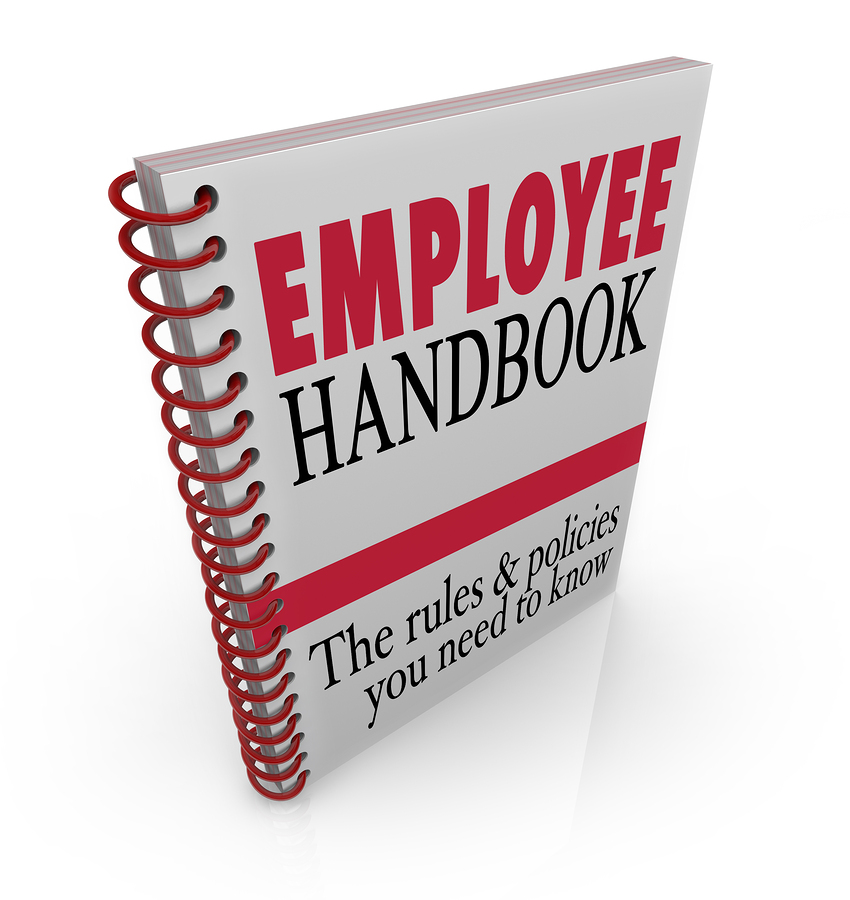 More >
Hair Trigger: When are Employee Notice Provisions Triggered under the FMLA?
It can be hard to know when an employee is invoking rights under the Family and Medical Leave Act (“FMLA”). Every employer wants FMLA-requested leave to come in the form of 30 days advance notice, filed in the appropriate manner pursuant to company policy. However, a triggering event for FMLA leave can come from something as simple as an employee asking for a day off for medical reasons. It’s important to understand what the FMLA requires of employers in that instance to fulfill their responsibilities. More >
What Employers Can (Probably) Expect from the FLSA Overtime Exemption (Yet to Be) Proposed Rules
With apologies to Tom Petty, with regard to upcoming proposed regulations under the Fair Labor Standards Act set to increase the overtime exemption salary, the waiting is the hardest part. Employers everywhere will likely experience some budgetary change to comply, but it’s hard to know exactly what that change will be. At the same time, knowing what may be coming down the pike can only prepare employers more for how to handle the final regulations when they come into effect. More >
Kentucky Supreme Court Decision Drastically Impacts All Non-Compete Agreements
Earlier this year, the Kentucky Supreme Court reversed the Kentucky Court of Appeals’ holding in Creech, Inc. v. Brown, and held, in a landmark decision, that continued employment, standing alone, is no longer sufficient consideration to justify or support enforcement of a non-compete agreement. This reverses prior precedent that employer-employee agreements may be executed in exchange for merely retaining one’s job. While the case has an intricate and complex set of facts, this article focuses on the consideration requirement only, as the Kentucky Supreme Court chose not to address any other issues. More >